
EPH Fractionation using SPE
What is SPE?
Solid Phase Extraction (SPE) is a sample preparation technique which is used to isolate your target analytes and minimize sample matrix effects. SPE is commonly conducted using cartridges which contain a solid adsorbent. For more information on SPE and how to improve SPE see our technical notes in the SCION Knowledge Centre.
EPH Fractionation using SPE Cartridges
Extractable petroleum hydrocarbons (EPH) are known to pose a risk to human health and so testing of water and soil is crucial to ensure these compounds are not present at unsafe levels. EPH can be separated into aliphatic and aromatic compounds by using EPH Fractionation SPE Cartridges which contain a silica sorbent phase.
By separating the compounds into these fractions means they can be analysed separately which is beneficial as it is known that the aromatic compounds tend to be more toxic compared to the aliphatic compounds. Depending on your sample size and if you are conducting manual or automated SPE then you can choose the appropriate cartridge size. These cartridges are commercially available. SPE can be performed both manually and automated depending on your laboratory capabilities. When doing manual SPE then it is recommended to use a vacuum manifold but a syringe can also be used. See our Application Note: “EPH Analysis in Water by GC-FID” on the SCION website for more information on how EPH fractionation using SPE can be used in an application.
Conditioning
The first step is to condition your SPE cartridge. See below a step by step guide for EPH fractionation using a 2 g, 6 mL cartridge with a vacuum manifold. SPE can also be conducted using a syringe which will be shown in the image examples.
- Before you begin, ensure the stopcock on the vacuum manifold is open and then securely fit the cartridge.
- Add 3 mL DCM and allow gravity to pull through the solvent until the meniscus hits the top frit of the cartridge.
- Close the stopcock and allow it to soak for 5 minutes.
- Add approximately 1 mL hexane and open the stopcock. Allow the hexane to pull through until the meniscus hit the top frit of the cartridge. Close the stopcock.
- Add 5 mL hexane to the cartridge and open the stopcock. Allow the hexane to pull through until the meniscus hit the top frit of the cartridge. Close the stopcock.
- Discard the waste solvent.
Sample Loading
Next you will load your sample into the cartridge.
- Ensure the stopcock is closed and place a collection vessel underneath the cartridge.
- Add 1 mL of sample to the cartridge. The sample container can be rinsed with an additional 1 mL hexane and rinsings added to the cartridge.
- Open the stopcock and allow sample to flow through cartridge until the meniscus of the sample touches the top frit of the cartridge. Close the stopcock.
Fractionation and Elution of Aliphatic Compounds
- Ensure the stopcock is closed then add 4 mL hexane.
- Open the stopcock and use it to control the flow, aim for a dropwise flow of approximately 4 mL/min.
- Close the stopcock once the hexane meniscus hits the top frit of the cartridge. Remove the collection vessel with the aliphatic compounds.
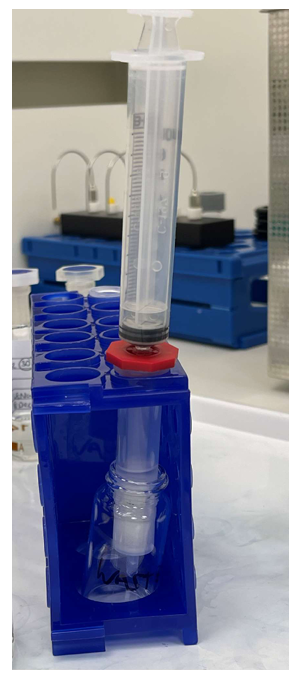 Figure 1 Manual SPE set up without a vacuum manifold
Elution of Aromatic Compounds
- Ensure the stopcock is closed and place a collection vessel underneath the cartridge.
- Add 6 mL DCM.
- Open the stopcock and use it to control the flow, aim for a dropwise flow of approximately 4 mL/min.
- Close the stopcock once the DCM meniscus hits the top frit of the cartridge. Remove the collection vessel with the aromatic compounds.
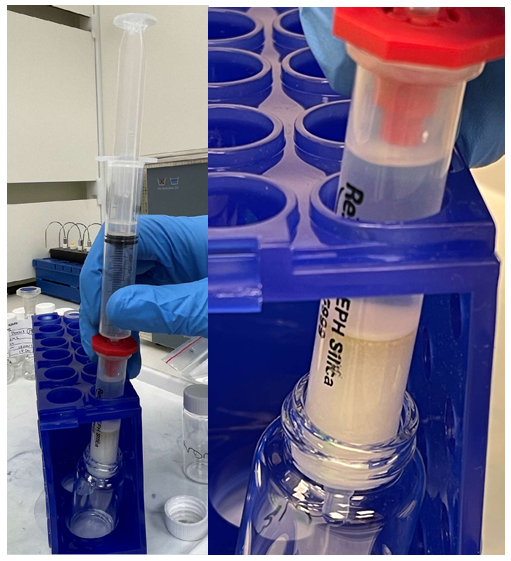 Figure 2 Sample added to cartridge for fractionation.
Concentration
- Concentrate the aliphatic and aromatic compounds separately under nitrogen to approximately 1 mL.
- If the samples are blown down to less than 1 mL then they can be made up to 1 mL using the appropriate solvent for the fraction.
- Samples can be transferred to vials for analysis.
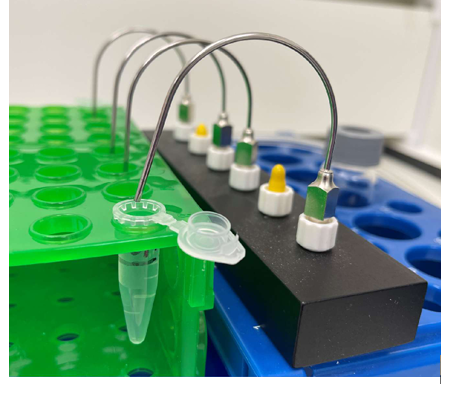 Figure 3 Concentration of fraction by blowing down with nitrogen.